
A life-style of Competencies: ICF Competency 1 - Embodies the coaching mindset
Everyday conversations in your home, with spouse or with children, with co-workers, with friends who need to be seen and heard, all can be a great context where coaching skills can make a significant impact. Internalizing the disciplines of a coach helps us avoid the “changing hats” syndrome: one minute a mentor, next minute a counselor, next minute a coach.

Coaching towards Alignment with God’s Purposes and Heart
One of the joys of Christian coaching is when a client wants to align their lives with God’s purposes. Tony Stoltzfus identifies several components in this process of destiny discovery, including understanding your purpose, eliminating tolerations, clarity on call, and more. A key element he shares is identifying and overcoming internal obstacles and alignment with core values.
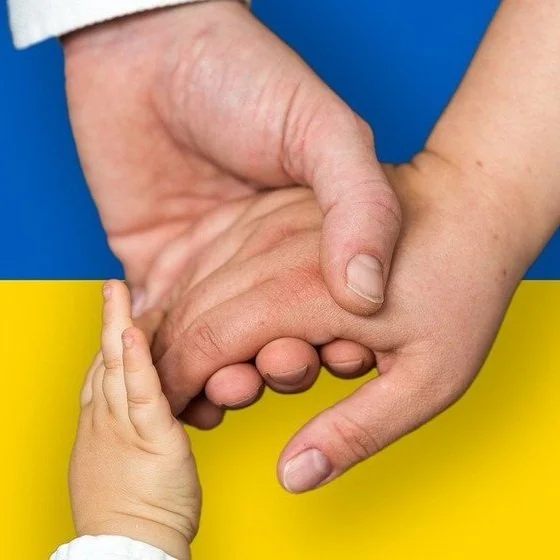
Responding to Real World Needs with Coaching Skills
As coaches, how can we flexibly use our skills to meet current needs in the world around us? Maintaining presence, listening intently, and asking powerful questions are competencies that can be deployed in a variety of contexts and situations.

Evoking awareness in all three ‘parts’ of the coaching conversation
It’s not unusual when we begin coaching, that the flow of our conversations is a bit rigid and does not always feel natural. After all, we follow the conversational model we were taught. We are conscientious about not missing any ‘step’ and take a more linear approach.

Steps for growing in your coaching skills
One question that I often hear from many of our Focos graduates is: "How can I continue to grow in my coaching skills?" That’s a question that I always welcome. Our coaching journey is not easy. It takes constant effort and commitment, doesn't it? Coaching is not like learning to ride a bike, it is rather a life long learning journey. You don't learn it once for a life time but continue to sharpen your skills, ask more thought provoking questions and expand more your listening abilities.